Introduction
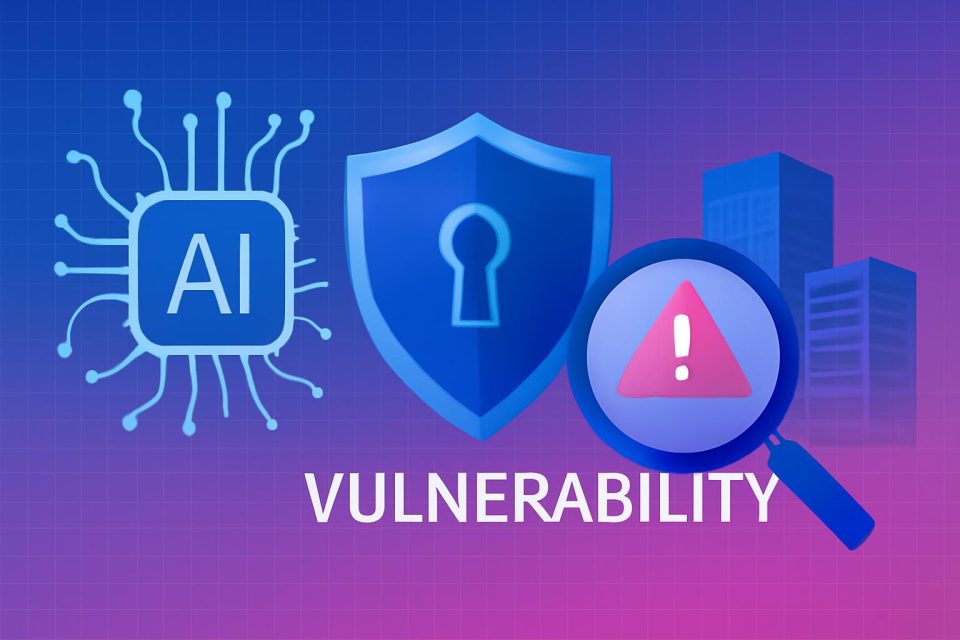
Recent advancements in AI have shown that general-purpose models can effectively identify vulnerabilities in software. As these capabilities become integrated into development cycles, the risk of exploitation increases. Organizations face the dual challenge of rapidly hardening existing software and preparing defenses for systems that remain vulnerable.
Defenders must strengthen their security playbooks and reduce exposure while incorporating AI into their security programs. This article outlines the evolving attack lifecycle, how adversaries will exploit these capabilities, and a roadmap for modernizing enterprise defenses.
Exploits in the Adversary Lifecycle
Traditionally, discovering vulnerabilities and developing zero-day exploits required significant time and expertise. Today, AI models are capable of identifying vulnerabilities and generating functional exploits, which lowers the barrier for threat actors. This shift allows even less skilled adversaries to engage in exploit development, compressing the attack timeline.
Threat actors are increasingly leveraging AI tools to enhance their offensive capabilities, leading to a rise in mass exploitation campaigns and ransomware operations. The gap between public vulnerability disclosures and mass exploitation has significantly narrowed, a trend expected to continue.
Scaling Defenses for Machine-Speed Threats
As AI enhances vulnerability discovery, organizations can no longer rely solely on human-speed patching. Traditional security tools and manual processes will struggle to keep pace with the volume of vulnerabilities introduced by AI-enabled attacks. To combat this, organizations must integrate automation into their security operations.
A Modern, AI-Integrated Defensive Roadmap
To effectively manage vulnerabilities, organizations should prioritize automation and resilience. The roadmap for modernizing defenses can be divided into advanced modernization priorities and foundational guidance for organizations still developing their vulnerability management capabilities.
Advanced Modernization Priorities
- Secure Your Code: Protect source code and libraries, ensuring that code repositories are only accessible through trusted networks.
- Automate Security Operations: Transition to dynamic security operations centers (SOCs) that utilize AI agents for alert triage and response.
- Reduce Attack Surface: Implement a zero-trust approach, focusing on minimizing exposure across critical systems.
- Continuous Asset Discovery: Maintain an automated inventory of all assets to reduce blind spots.
- Expand Automated Scanning: Ensure comprehensive vulnerability scanning across all operating systems.
- Enhance Network Device Patching: Establish automated processes for identifying and updating network devices.
- Formalize Emergency Remediation SLAs: Define clear remediation processes for vulnerabilities that are actively exploited.
- Secure AI Agents: Adopt frameworks to protect AI systems from becoming new attack vectors.
Foundational Vulnerability Management Priorities
Organizations with less mature vulnerability management programs should focus on building a reliable foundation. Key steps include:
- Baseline Current State: Assess existing tools and processes to identify critical vulnerabilities.
- Expand Scanning Coverage: Broaden vulnerability scanning across all operating systems and network devices.
- Confirm Asset Inventory: Maintain an accurate inventory of key assets with defined ownership.
- Establish Standard Reporting: Create a consistent reporting cadence to track program health and risk.
- Prioritize High-Risk Vulnerabilities: Focus on vulnerabilities affecting internet-exposed systems.
- Develop Specialized Processes: Create streamlined processes for high-sensitivity devices.
- Formalize Remediation SLAs: Define clear remediation timelines and exception handling processes.
Conclusion
The cybersecurity landscape is evolving rapidly, with AI-driven threats becoming more prevalent. Organizations must adopt proactive, automated defenses to manage the increasing volume of vulnerabilities effectively. By integrating AI into their security strategies, enterprises can better prepare for the sophisticated threats of the future.